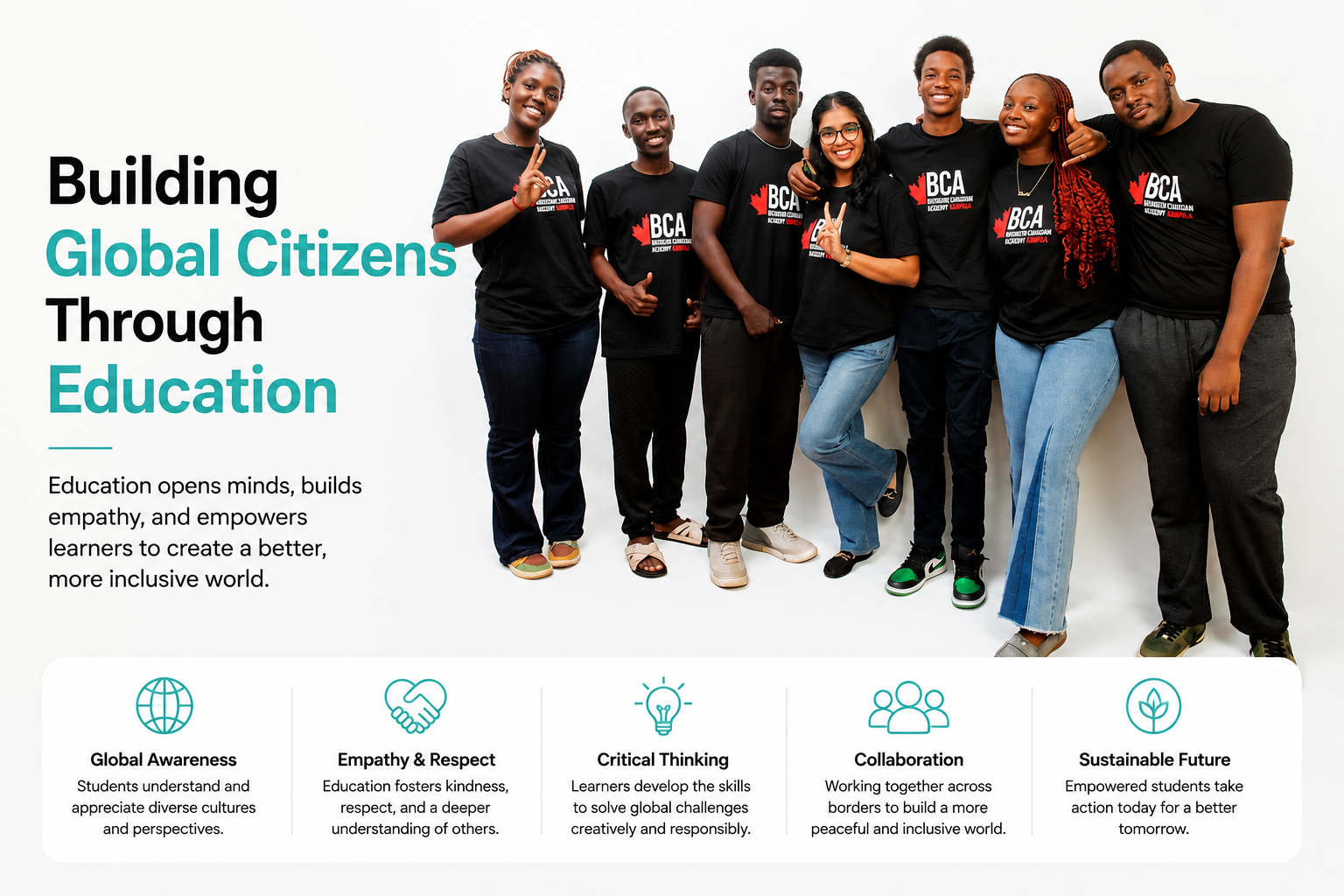
In an increasingly interconnected world, borders are no longer just lines on a map; they are digital, economic, and cultural bridges. Education holds the profound responsibility of preparing students not just for the local job market, but for life as global citizens. A truly transformative education goes beyond memorizing facts; it cultivates empathy, cultural awareness, and a sense of shared responsibility for our planet.
Global citizenship education aims to dismantle stereotypes and foster understanding. By integrating global perspectives into the curriculum, students learn to appreciate diverse cultures, languages, and histories. They begin to see the world through multiple lenses, recognizing that local challenges—from climate change to economic inequality—are part of a much larger, global narrative. This broadened worldview encourages critical thinking, replacing ignorance with curiosity and prejudice with respect.
However, building global citizens isn't just about learning about the world; it is about acting within it. This educational model emphasizes real-world skills like collaboration and cross-cultural communication. Through virtual exchanges, international collaborative projects, or community service, students learn to listen deeply and work alongside peers from different backgrounds. They realize that despite our differences, we share common hopes, dreams, and struggles.
Ultimately, education must equip young people with the courage to ask difficult questions and the compassion to solve complex problems. By fostering a spirit of global solidarity, we are not only shaping better students but also better human beings. We are building a generation that feels a deep sense of belonging to humanity as a whole. When students grow up understanding that they are stewards of a shared world, they are more likely to become active, empathetic, and responsible leaders. The classroom is the starting point, but the global stage is their future.
Select a team member to start chatting: